Brand building
How to Start a Sweater Brand.
A practical guide to starting a clothing brand built on knitwear: what to decide before you contact a factory, how minimums shape your first range, and how long sampling and production really take.
 By Marcia Lee, Business Manager at Knitwear World · Published November 2026
Step 1
Start with your customer and your price.
Before you design anything, decide who the sweaters are for, where they will be sold and at what retail price. That price sets almost everything else: the yarn you can afford, the gauge and stitch, the trims and how many styles you can launch.
Work back from the retail price to the price you can pay the factory, after your own margin, import duty, freight, packaging and marketing. A clear target price per piece is the most useful number you can send a manufacturer.
Step 2
Plan a small range that meets factory minimums.
Knitwear minimums are counted per style and per colour. Our standard MOQ is 300 pcs per style, from 50 pcs per colour, and sizes can be split freely within each colour. Three styles therefore start at 900 pcs, and each style can run in up to six colours.
Many new brands launch with two to four strong styles in a few colours rather than a wide range. Smaller trial orders are possible at a higher unit price. Read how knitwear MOQs work before you fix your range plan.
Step 3
Choose your route: our styles or your design.
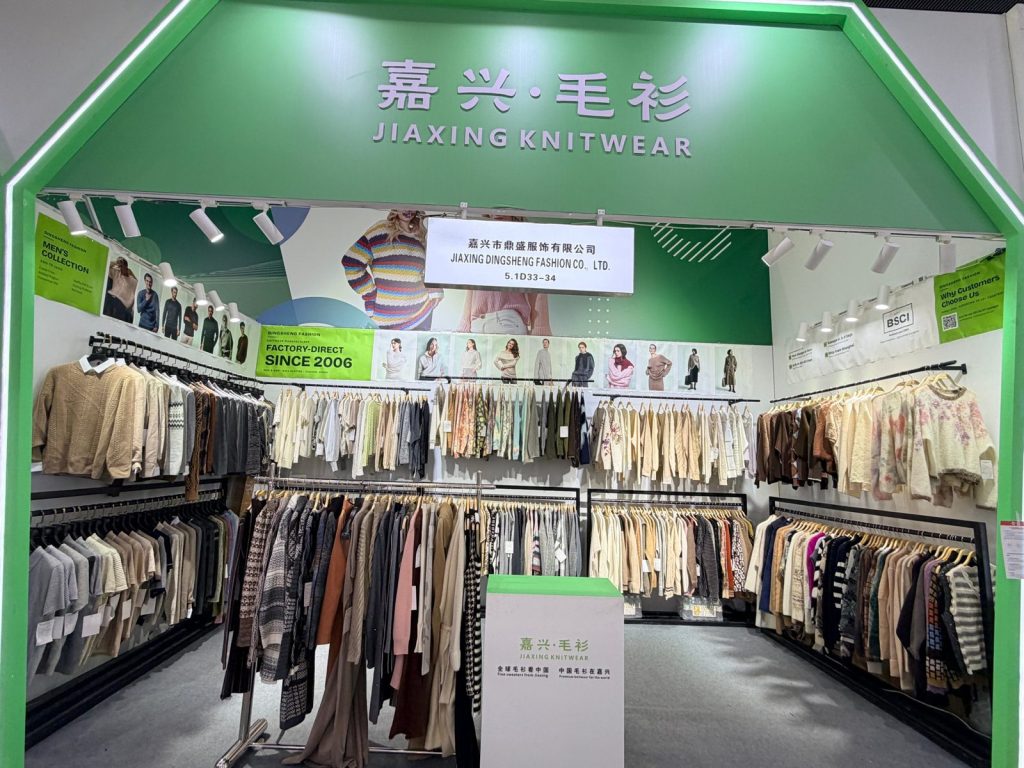
There are two ways to develop your first sweaters. With ODM, you start from a factory’s existing designs and change the yarn, colours, fit and labels; it is faster and needs less technical work. With OEM, you supply your own design and specification, usually as a tech pack.
You can browse 578 sample styles in our ODM collection and quote by style number, or read OEM vs ODM knitwear to compare the two routes.
Step 4
Prepare a tech pack or a clear brief.
A tech pack tells the factory exactly what to make: sketches, measurements, yarn and composition, gauge and stitches, colours, trims, labels and packaging. If you do not have one yet, a clear brief with reference photos, a target price and quantities is enough to start sampling.
See what to include in a sweater tech pack and how to measure a sweater for the size chart.
Step 5
Sample, fit and approve.
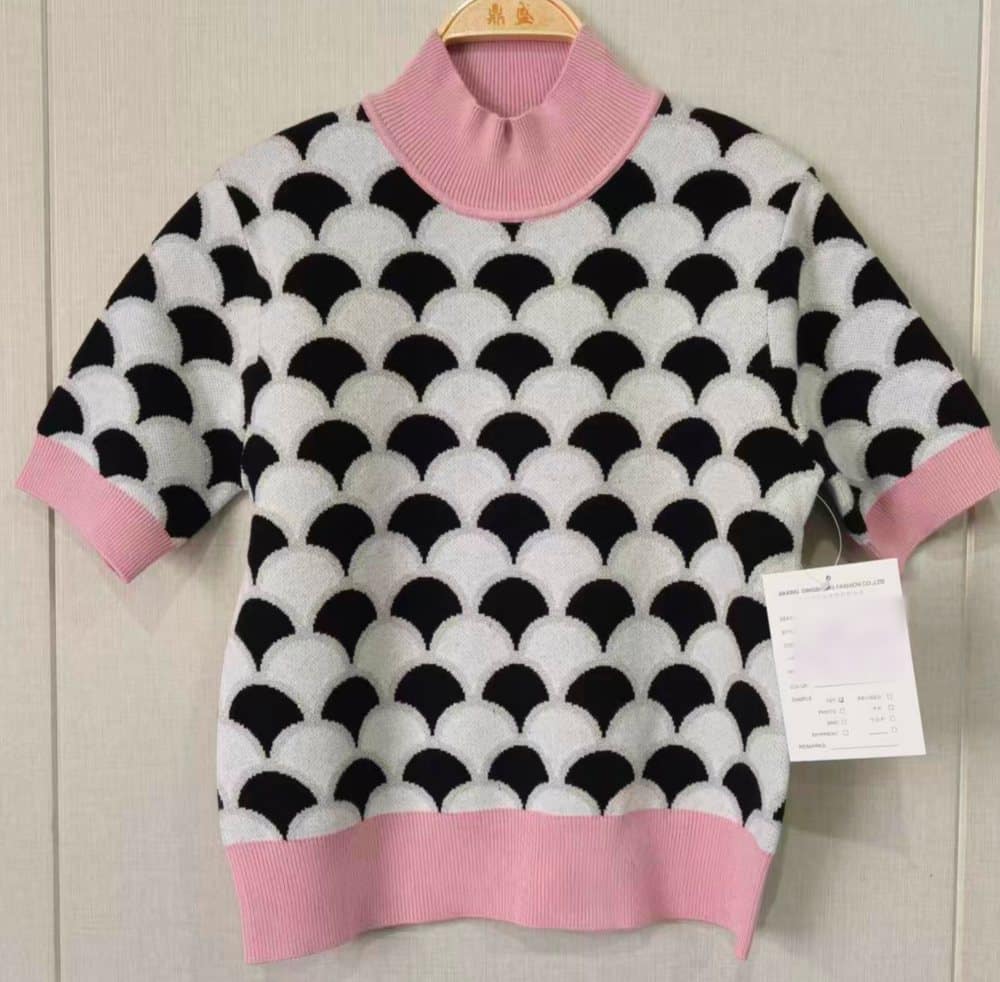
Once the details are confirmed, our first sample is normally ready in 3–5 days, and revisions take 1–3 days. For new customers, the sample fee is generally 1.5× the FOB unit price, depending on the garment, and it is credited against your bulk order. For customers who have ordered with us before, we may provide samples free of charge, depending on the yarn and the development cost. The buyer pays the courier cost. Check fit, hand-feel and colour, and approve a washed sample, because knitwear can change size and hand-feel after the first wash.
The approved pre-production sample becomes the standard for bulk. More in our sampling guide.
Step 6
Plan your timeline around the season.
Sweaters sell mostly in autumn and winter, so count back from the date you need the goods in your warehouse. Bulk production normally takes 30–40 days after pre-production sample and colour approval; add time for sampling rounds, yarn dyeing if you need special colours, and shipping.
Leaving extra time for the first order is wise: new brands usually need more sampling rounds than repeat customers.
Step 7
Labels, packaging and compliance.
Every market has its own rules for fibre content, care and country-of-origin labels. Decide your neck label, care label, hangtag, barcode and polybag before bulk, and check the labelling rules for the countries you sell in. Our private label service covers labels, hangtags and retail-ready packaging.
Step 8
Choose a manufacturer you can work with.
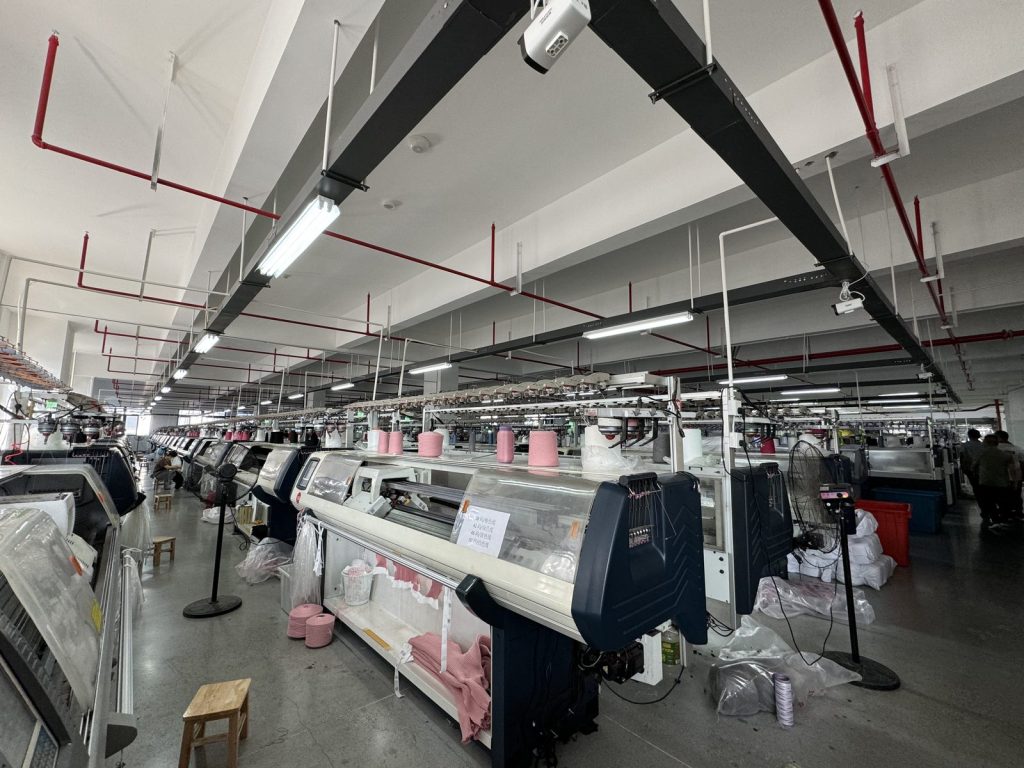
Look for a factory that knits, links and finishes in-house, states its minimums and lead times clearly, and lets you see production on a visit or video call. Our checklist for choosing a knitwear manufacturer lists the questions worth asking, and our page for startups and small brands explains how we work with first orders.
Start a project