Yarn guide
What Is Acrylic? Acrylic Sweaters vs Wool
Acrylic is a synthetic fibre made mostly from acrylonitrile. It is light, soft and warm, washes easily and costs far less than wool, but it pills, absorbs little moisture and sheds microfibres in the wash. Here is what acrylic is, how it compares with wool and polyester, and when it makes sense in a sweater.
 By Marcia Lee, Business Manager at Knitwear World · Published November 2026
The basics
What acrylic is made of.
In the US, acrylic is defined as a manufactured fibre whose polymer is at least 85% acrylonitrile by weight. With 35–85% acrylonitrile it is modacrylic, a flame-resistant relative used for faux fur and wigs.
The polymer is dissolved in a solvent and pushed through a spinneret, then washed, stretched, crimped and cut into staple fibre, which is spun into yarn much like wool. DuPont made the first acrylic fibre in 1941 and sold it as Orlon; it went into large-scale production in the 1950s.
Properties
Acrylic’s strengths and weak points.
Strengths
- Light, soft and warm, with a wool-like feel.
- Takes colour well, is washable and is generally hypoallergenic.
- Resists mildew and insects; clothes moths cannot digest pure acrylic, though blended or soiled acrylic can be eaten.
- Costs much less than wool or cashmere, and is often used as a cheaper alternative to cashmere.
Weak points
- Pills easily, although low-pill acrylic yarns exist.
- Absorbs little moisture (a moisture regain of about 1–3%) and is not as warm as wool when wet.
- Sensitive to heat: its shape is set with heat, and it softens and melts at high temperatures, so avoid hot drying and ironing.
- Burns more readily than natural fibres and melts as it burns.
- Sheds microfibres: one University of Plymouth study counted about 730,000 particles from a single wash of acrylic fabric.
Warmth
Is acrylic warm?
Yes, when dry. Acrylic yarn is bulky and light, so an acrylic sweater traps warm air without much weight. It loses more of its warmth than wool when wet, and because it absorbs so little moisture it can feel clammy if you get warm. A wool or cashmere blend keeps much of the hand-feel and warmth at a lower yarn cost.
Compare
Acrylic vs wool.
| Acrylic | Wool | |
|---|---|---|
| Made from | Synthetic polymer (acrylonitrile) | Sheep’s fleece |
| Warmth | Warm and light when dry; less warm when wet | Stays warmer when damp |
| Moisture | Absorbs little | Absorbs nearly a third of its weight in water |
| Washing | Machine washable; avoid high heat | Can felt and shrink unless shrink-resist treated |
| Insects | Pure acrylic resists moths | Can be eaten by moth larvae |
| Price | Low | Higher, especially fine merino |
Itch is rarely a problem with acrylic, which is spun from fine, smooth fibres. Wool prickles only when its fibres are coarse, above about 30 microns; see what is merino wool.
Compare
Acrylic vs polyester.
Both are synthetic fibres. Acrylic is spun into soft, bulky, wool-like yarns and is used mostly for sweaters, hats, scarves, gloves and blankets. In knitwear, polyester and nylon are more often blended in for strength and shape, as in many of the blends in our collection. Both shed microfibres in the wash.
In our factory
Acrylic in our sweaters.
160 of the 578 designs in our sample collection contain acrylic. Pure acrylic is rare; we mostly blend it: with wool, cashmere or mohair for a warmer, more natural hand at a lower price, and with nylon or polyester for strength.
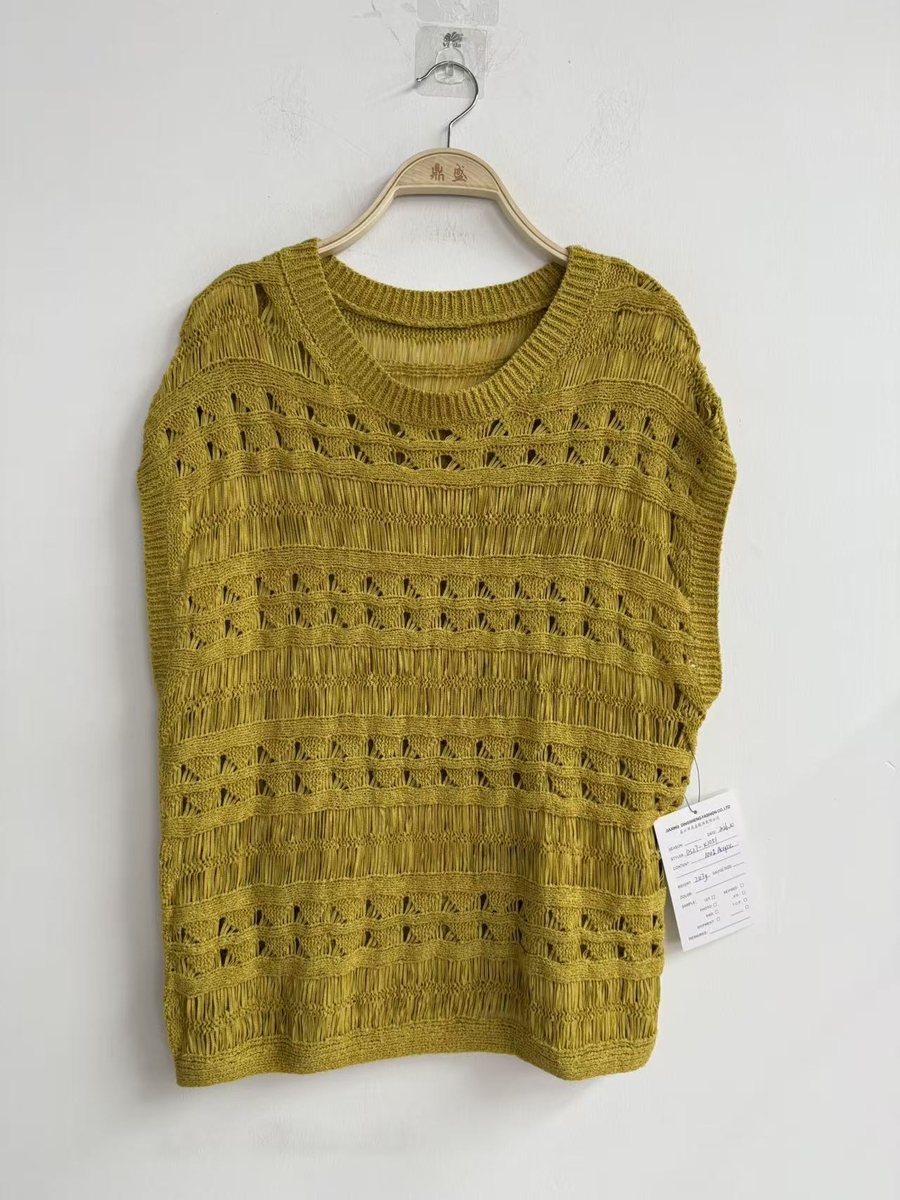
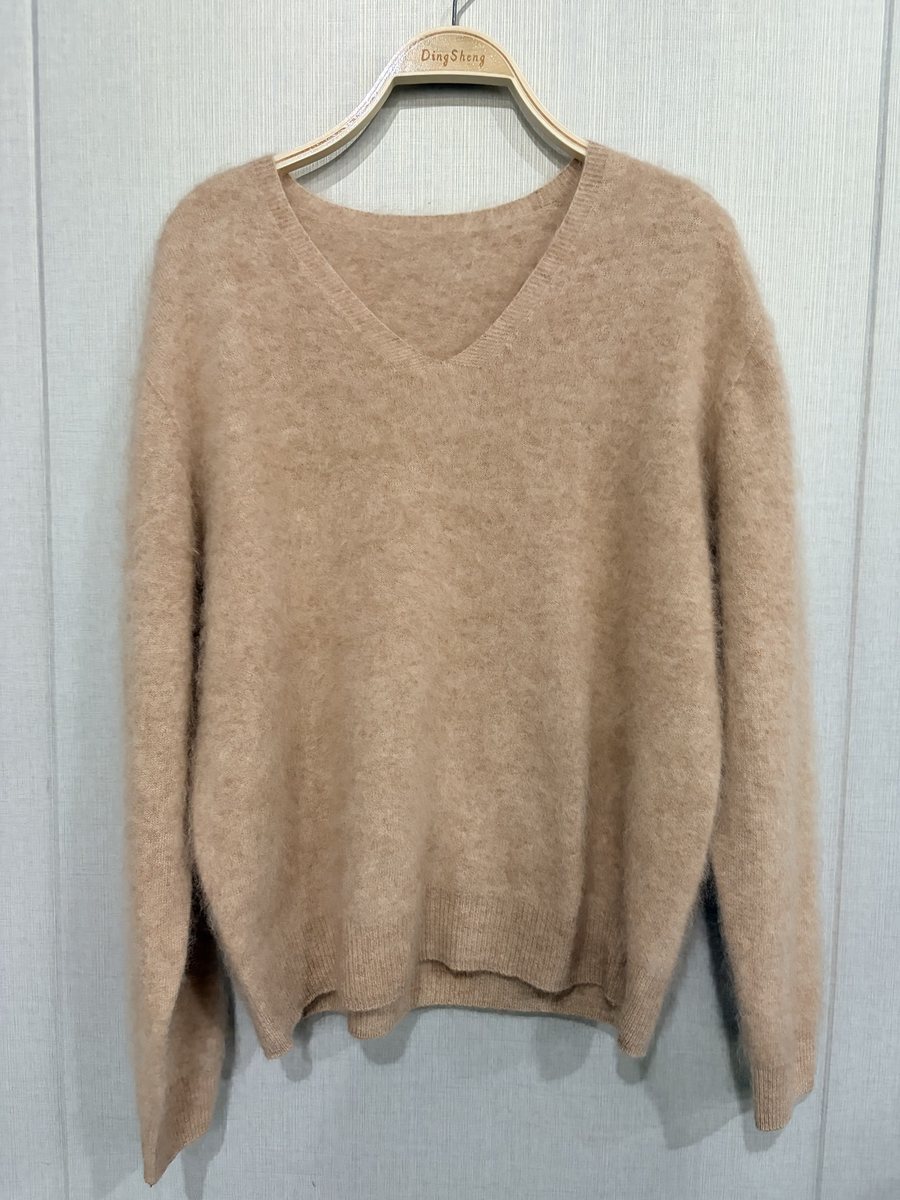
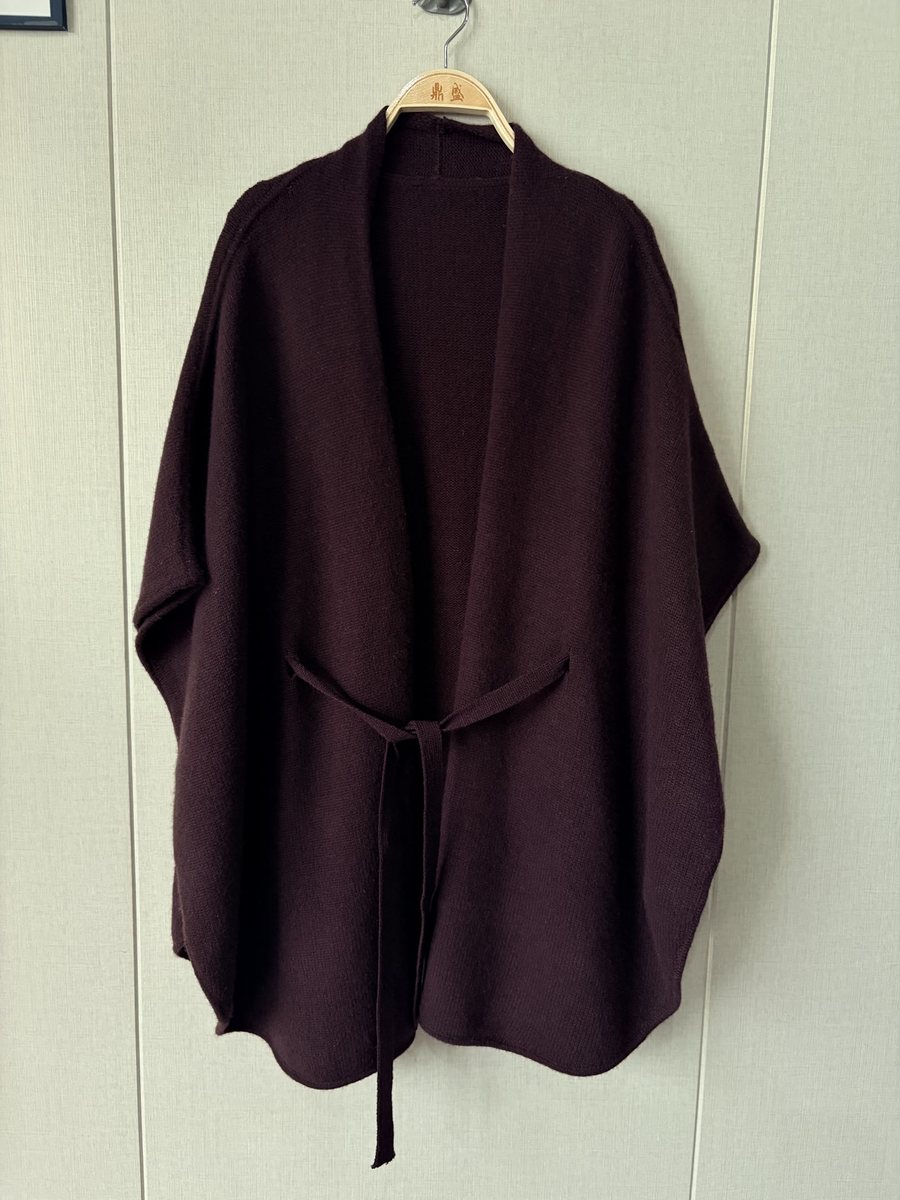
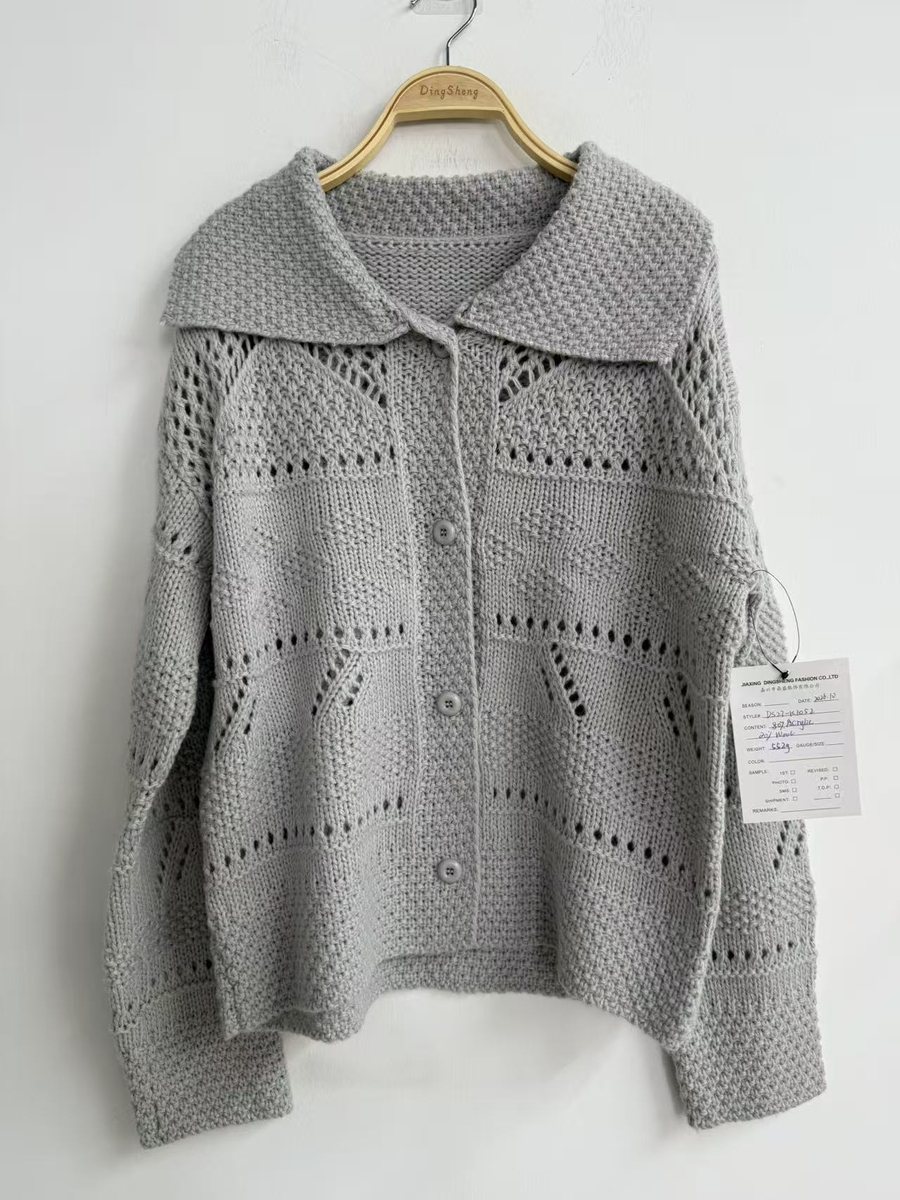
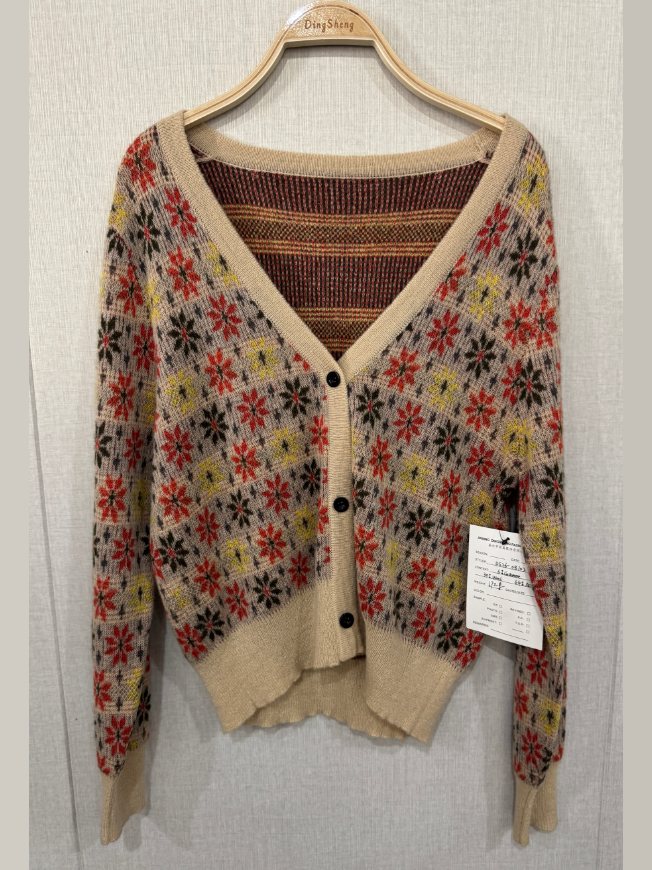
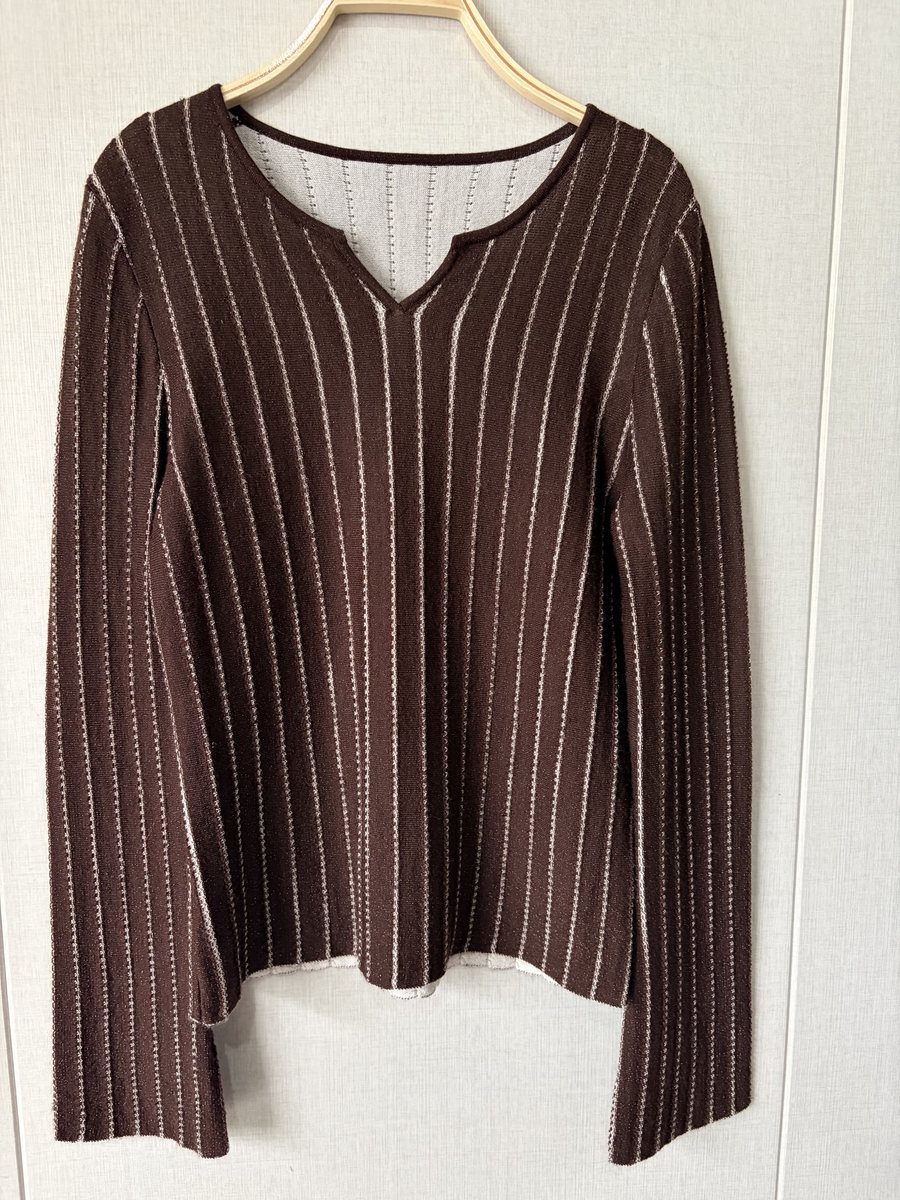
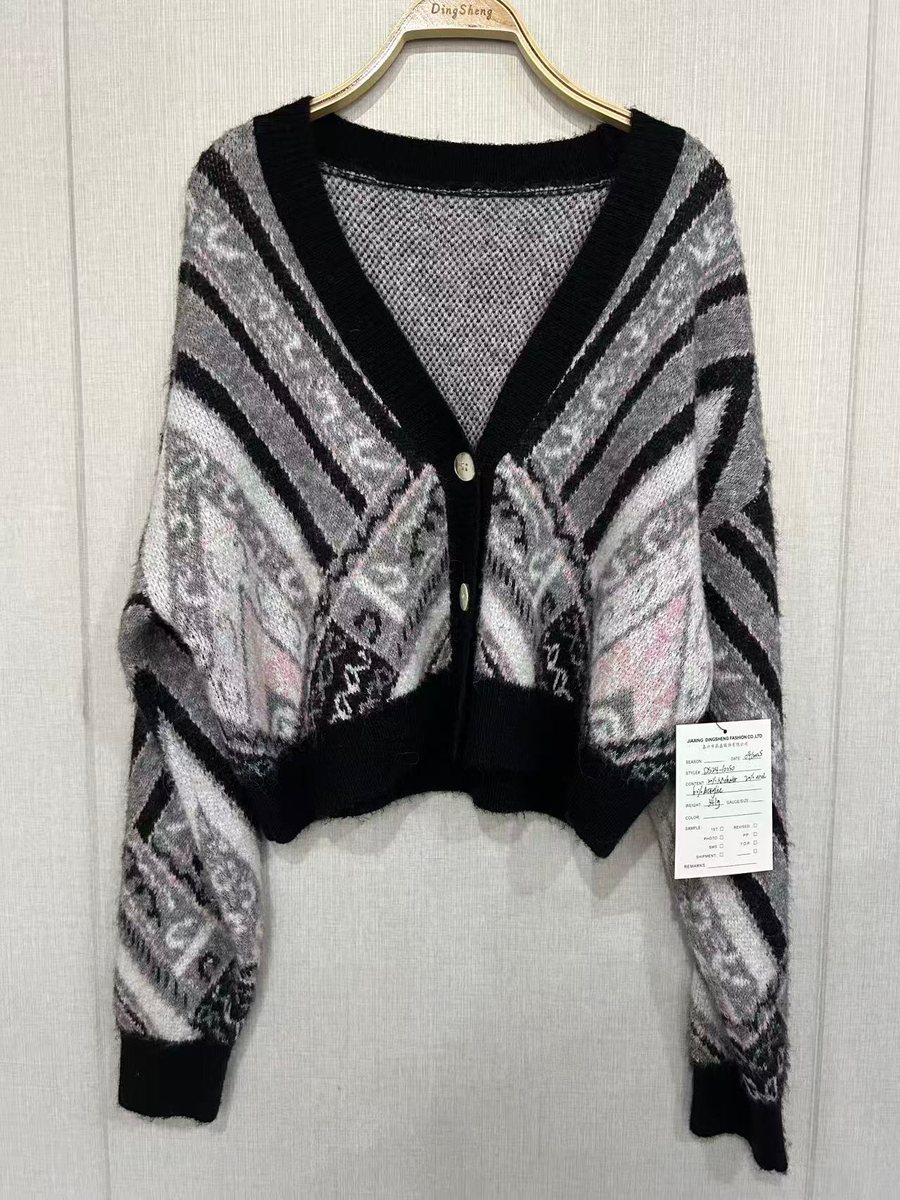
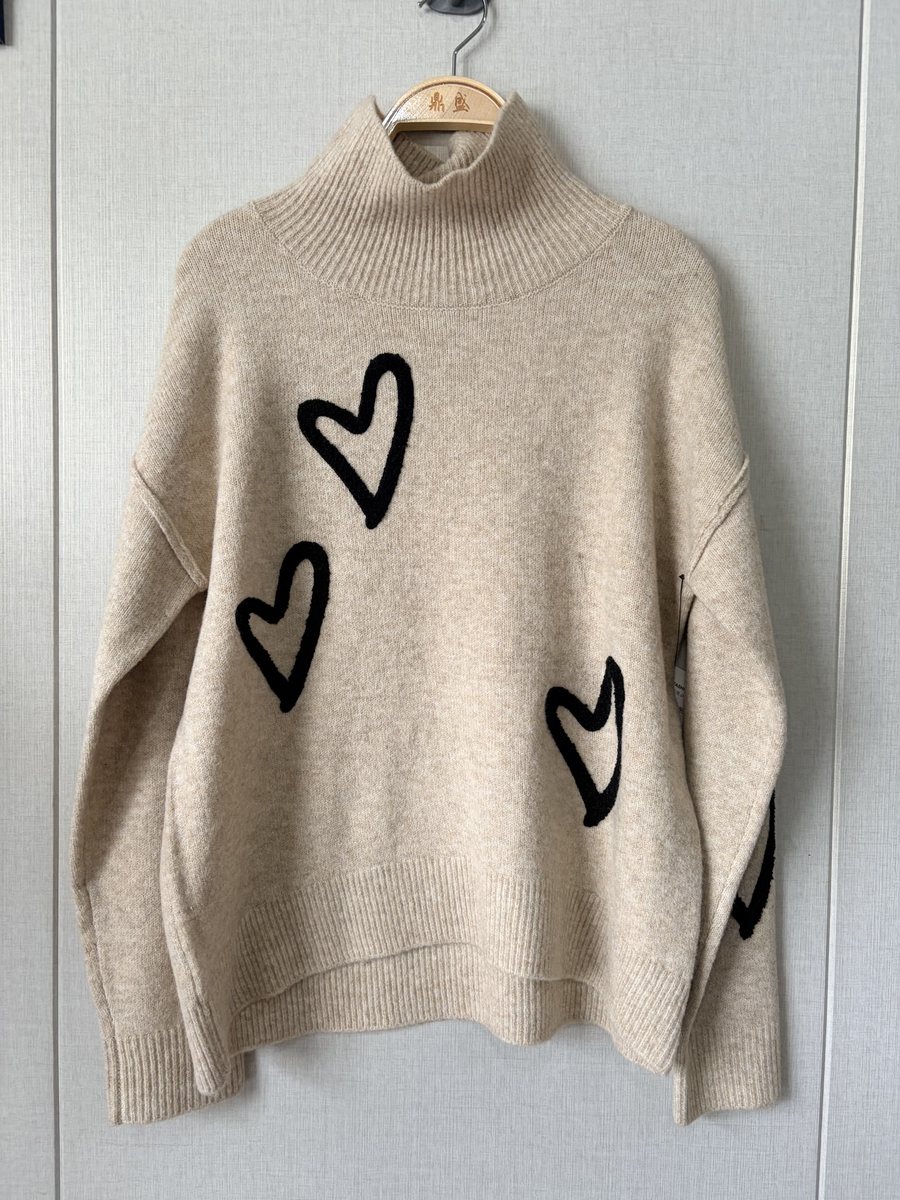
Yarn is the largest part of the cost of most sweaters, so the acrylic share is one of the main ways to reach a target price. See what affects sweater cost.
What to agree before bulk:
- Composition and label: the exact percentages, with acrylic named as such on the label.
- Pilling: low-pill acrylic or plied, singed yarns, and the pilling test and grade. See how to stop sweaters pilling.
- Washing: a wash and dry method without high heat, checked on a washed sample with its measurements.
- Blend: how much wool, cashmere or mohair you need for the hand-feel and warmth you want. See best yarn for sweaters.
FAQ
Acrylic questions.
What is acrylic fabric made of?
A synthetic polymer that is at least 85% acrylonitrile. It is dissolved, spun into fibre and usually cut into staple to make a soft, wool-like yarn.
Is acrylic warm?
Yes, when dry: it is light and bulky and traps warm air. It is less warm than wool when wet and absorbs little moisture, so it can feel clammy.
Is acrylic better than wool?
Not better, different. Acrylic is cheaper, lighter and machine washable and keeps its colour; wool stays warmer when damp and absorbs moisture. Many sweaters blend the two.
Does acrylic pill?
Yes, more easily than most fibres. Ask for low-pill acrylic or plied, singed yarns, and agree a pilling test and grade before bulk.
Are acrylic sweaters itchy?
Usually not. Acrylic is a fine, smooth fibre and feels soft; itch in a sweater normally comes from coarse wool fibres. Its drawback is that it absorbs little moisture, so it can feel warm and clammy.
Sources
Sources.
- US Code of Federal Regulations, 16 CFR 303.7 (acrylic: at least 85% acrylonitrile; modacrylic: 35–85%). Read
- Wikipedia, “Acrylic fiber” (production, Orlon 1941, properties, moths, flammability, microfibre study). Read
- CAMEO, Museum of Fine Arts Boston, “Acrylic fiber” (moisture regain 1.0–3.0%, heat, mildew and insects). Read
- Wikipedia, “Wool” (moisture absorption, felting, itch above about 30 microns). Read
Keep reading
Start a project