Hand feel
Softness, warmth, weight and drape shape the first impression and wearing experience.
Best yarn for sweaters
There is no single best yarn, only the right one for your market, price and product. Here are the three yarn families we knit most, how we handle pilling, shrinkage, softness and colour fastness, and which certified yarns are available.
 By Marcia Lee, Business Manager at Knitwear World · Updated October 2026
There is no single best yarn
Softness, warmth, weight and drape shape the first impression and wearing experience.
Pilling expectations, recovery, care and dimensional stability matter after purchase.
Composition, count, colour process and availability must work with the target price and volume.
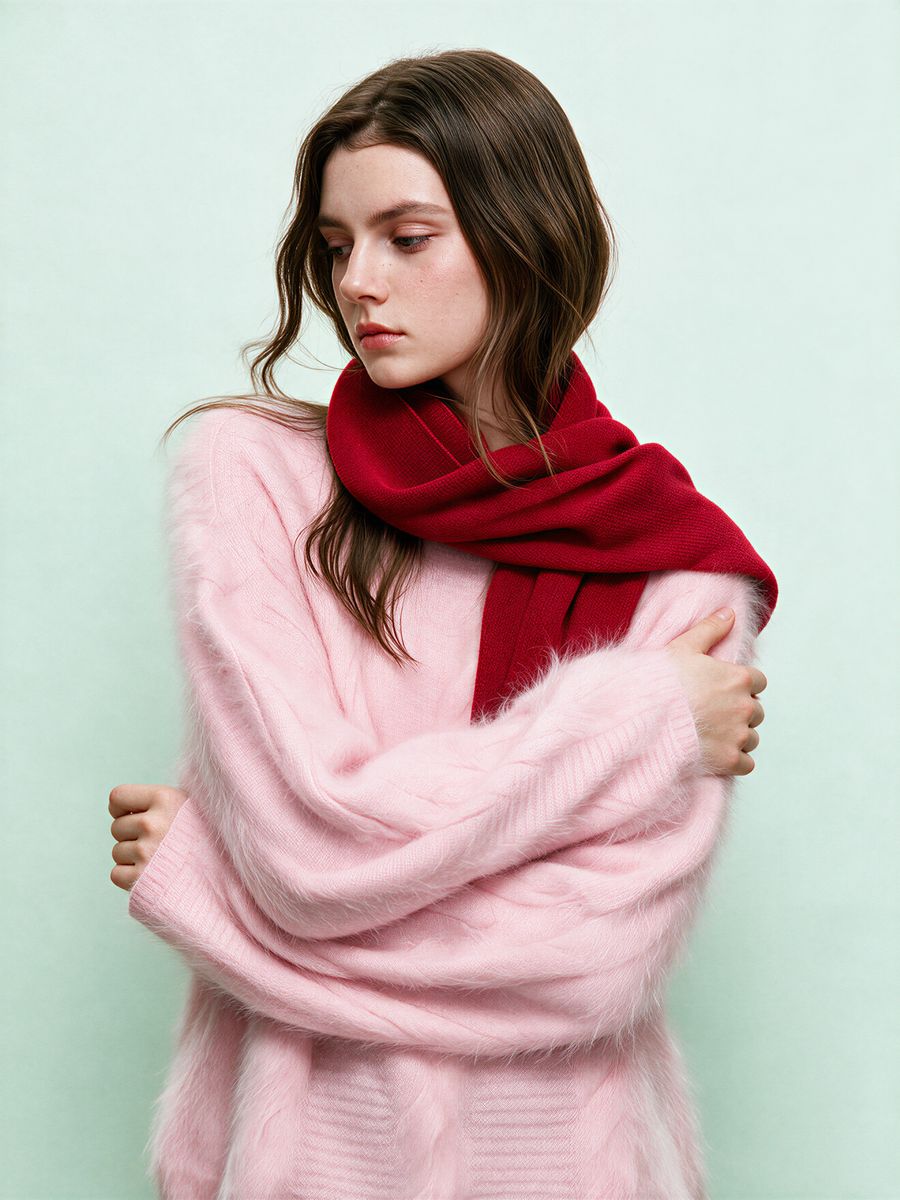
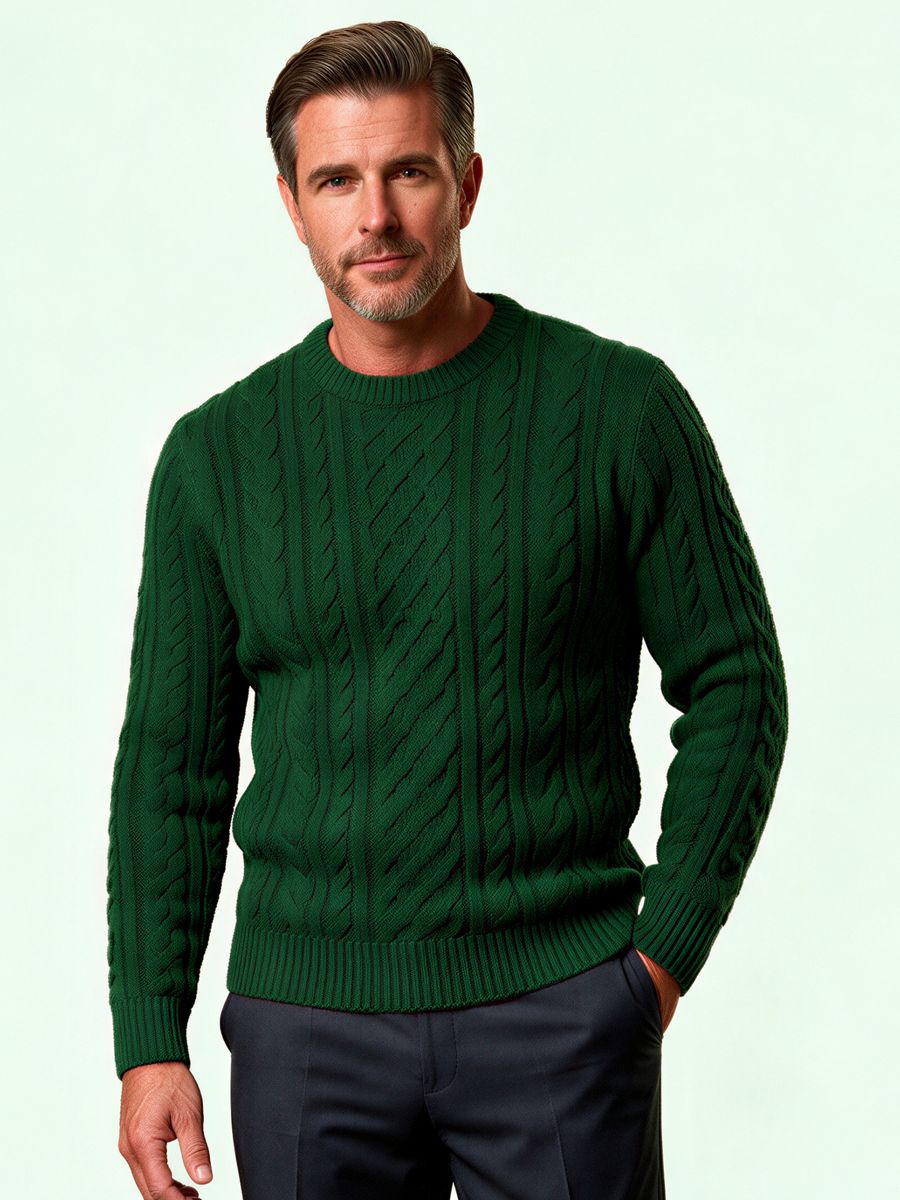
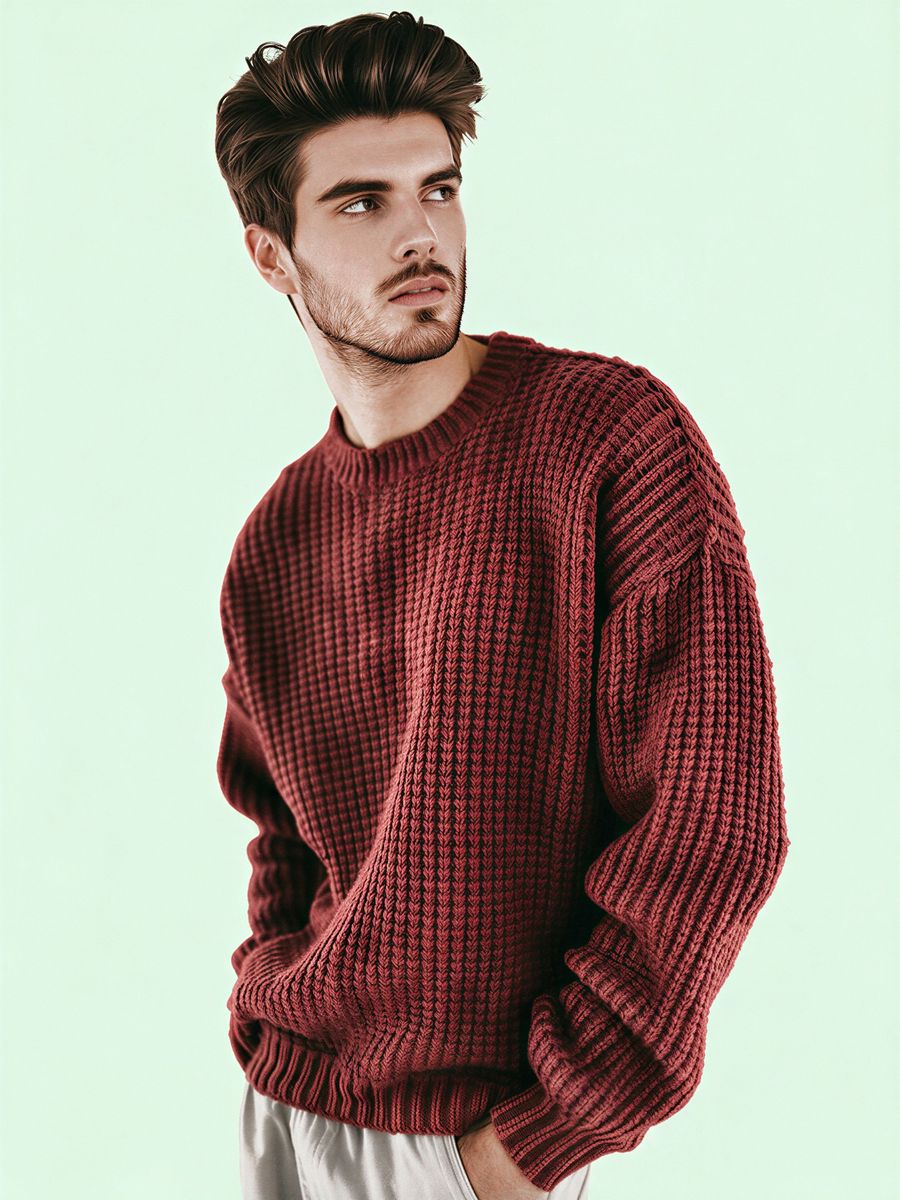
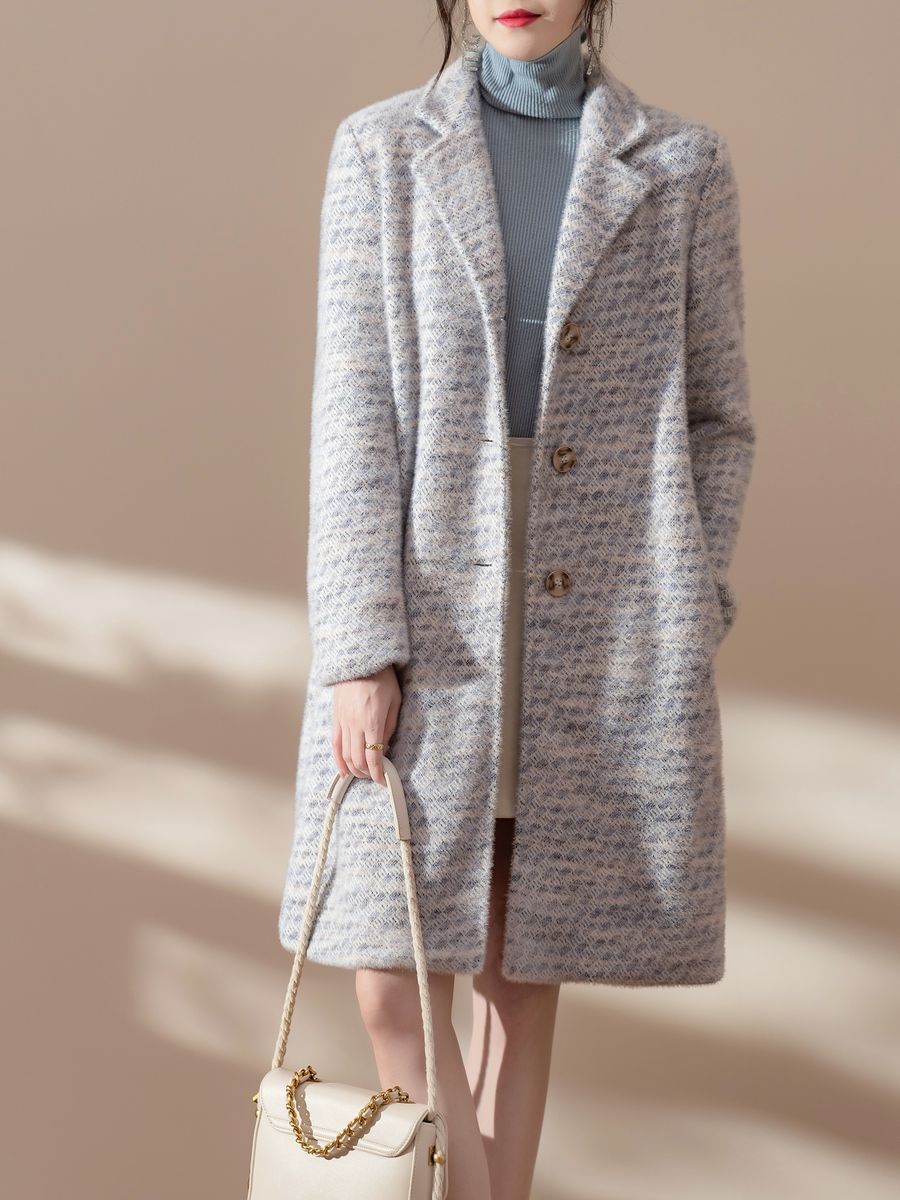
Yarn and stitch shape the result: brushed, cable, waffle and tweed-effect knits from our collections.
Our most-used yarns
Most of the sweaters we make use one of these three families. Each has a clear place in the market.
| Yarn | Price level | Typical markets | Hand-feel and use | Watch out for |
|---|---|---|---|---|
| Cotton–acrylic blend (2/26Nm combed cotton with acrylic) | Value; volume programmes | Cross-border e-commerce, South America, Southeast Asia | Dry, easy-care handle; spring and autumn basics and simple jacquards | Ordinary hand-feel; premium brands rarely use it |
| Wool blends (10–30% wool with acrylic or nylon) | Mid-market mainstay | Fast-fashion womenswear in Europe, Australia and North America | Soft and warm; the most common choice for jacquard and Fair Isle styles | A good balance of pilling performance and cost |
| Cashmere and high-cashmere blends (100% cashmere or cashmere with wool) | Premium | Premium and designer brands in Europe and North America | Very soft and light; winter premium styles, usually simple 2–3 colour double jacquard | Higher cost; demanding knitting, washing and finishing |
Also available: RWS-certified merino wool, an upper mid-market option with traceability, popular with sustainability-focused brands in Europe and North America.
What buyers ask most
These are the four questions we hear most often about yarn. None has a magic answer, but each can be controlled and tested before bulk.
Wool and cashmere pill naturally, and no knitwear is completely pill-free. We reduce pilling with singed and plied yarns, the right stitch density, and soft milling with an anti-pilling finish, and we consistently reach pilling grade 3–4. Agree the test method, for example the IWS pilling test, and the target grade before bulk.
We pre-shrink garments with a relaxed wash, so shrinkage is released during development rather than in your customer’s washing machine. The washing method, such as cold hand wash or gentle machine wash, is fixed on the tech sheet and printed on the care label. For jacquards, we test each yarn colour separately, so the pattern does not twist after washing.
Softeners and silicone finishes make a knit softer, but there is a balance: a very strong softener can slightly reduce colour fastness. We adjust the finish to reach the hand-feel you want without trading away performance.
Dark yarns are colour-fixed before knitting. For jacquards that combine dark and light colours, we test staining in particular, following AATCC methods, and start bulk only when the results pass.
Colour and testing
Sweater yarn is dyed before it is knitted, so colour has to be right before production starts. Three things often catch buyers out:
Certified yarns
Certified and dyed-to-order yarns usually come with a yarn mill minimum, often 25–100 kg per lot, which can affect your order quantity. Our MOQ guide explains how.
Selection sequence
Region, season and retail position.
Weight, fit and desired drape.
Gauge, stitch and pattern definition.
Performance and use expectations.
Composition, availability and reports.
Questions for a supplier
A useful yarn discussion ends with an agreed composition, count, colour route, gauge and supporting information for the actual material selected.
Keep reading
Start a project