Style guide
Vintage Sweaters: Eras, Patterns and How to Make a Vintage-Style Collection.
A vintage sweater is a second-hand knit that is usually at least 20 years old. A vintage-style sweater is a new garment that borrows the fit, patterns and colours of the 1940s to the 1990s. Sellers, buyers and factories use the same word for different things, so this guide separates the two. It then covers the yarns, fits, patterns and decades that define the look, how to check a genuine piece, and how brands develop vintage-style knitwear for production.
 By Marcia Lee, Business Manager at Knitwear World · Updated October 2026
Definitions
Vintage, vintage-style or retro reproduction?
The difference matters as soon as you price, describe or sell a sweater. A genuine vintage piece is valued for its age and history; a vintage-style piece is valued for its design, consistent sizing and repeatable quality.
| Term | What it means | Who sells it | What the customer pays for |
|---|---|---|---|
| Authentic vintage | A used sweater made at least 20 years ago. Etsy, for example, accepts items as vintage when they are 20 or more years old. | Vintage shops, resellers and second-hand platforms | Age, rarity, condition and a one-off piece |
| Vintage-style (retro reproduction) | A new sweater that recreates the fit, patterns and colours of an earlier decade | Fashion brands and retailers | Design, consistent sizes, repeatable quality and price |
In British English the garment is usually a vintage jumper; in American English, a vintage sweater.
Rule of thumb: if the sweater is new, call it vintage-style, retro or vintage-inspired. Describing a new garment as vintage misleads customers.
The look
What makes a sweater look vintage.
Yarn
Older sweaters were mostly knitted from natural fibres: wool, lambswool, mohair and cashmere. Orlon, DuPont’s acrylic fibre, went into large-scale production in the 1950s and became one of the defining sweater yarns of the 1960s to the 1980s. It took bright colours, was easy to wash and is not eaten by clothes moths, although wool blends still can be.
Many vintage sweaters are knitted denser and heavier than today’s fast-fashion knits. Gentle fading and a soft halo on the surface come with age; on a genuine piece they are character, not faults.
Fit
Shape is the biggest difference between a vintage sweater and a modern one.
| Era | Typical fit |
|---|---|
| 1940s–1950s | Short, close-fitting and neat |
| 1960s–1970s | Boxy and straight, with a high shoulder line; many cropped lengths |
| 1980s–1990s | Loose and oversized, with dropped shoulders and longer bodies |
Size labels from earlier decades follow different systems from today’s. Measure chest width, body length and sleeve length instead of relying on the label.
Colour
Most vintage knits sit in muted, earthy colours: mustard, brick red, moss green, oatmeal and chocolate brown. The 1980s are the exception, with bright, high-contrast colour blocking.
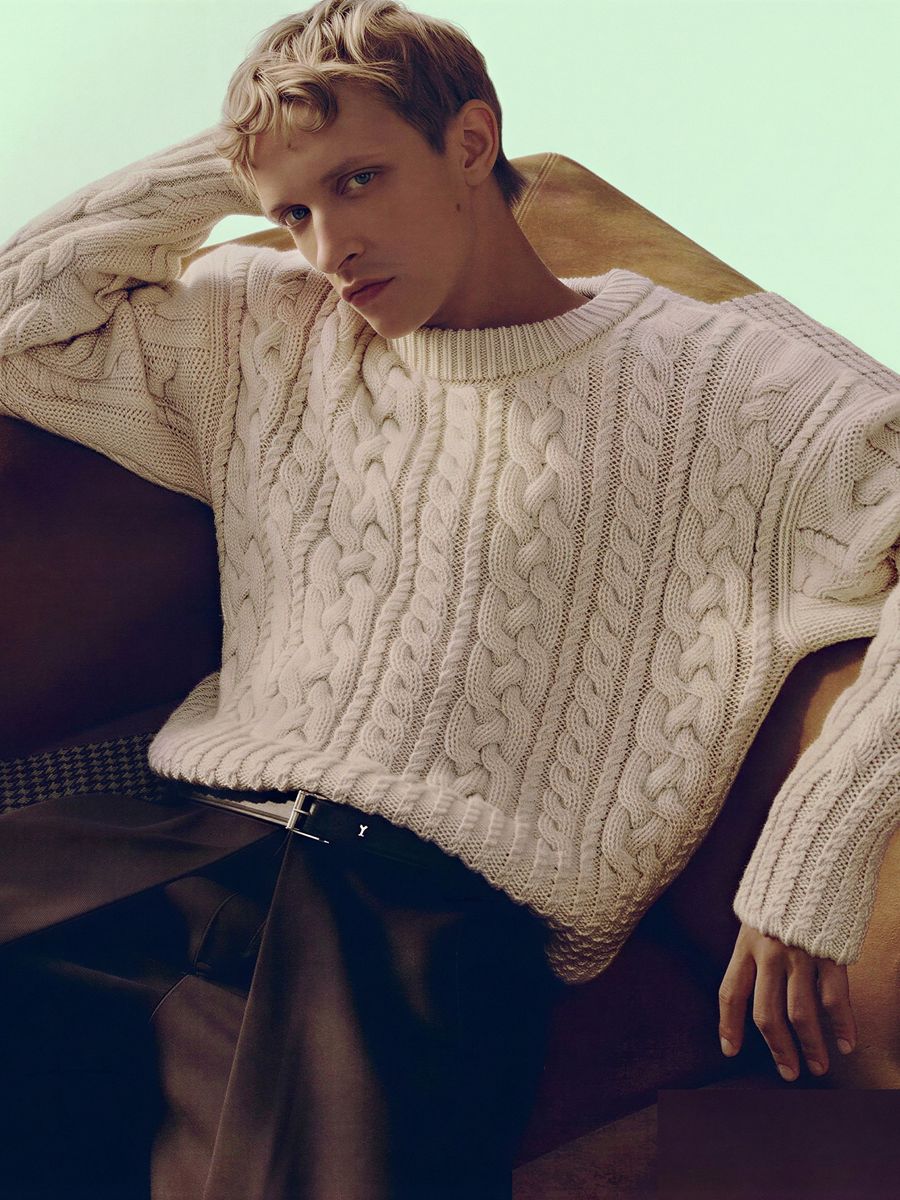
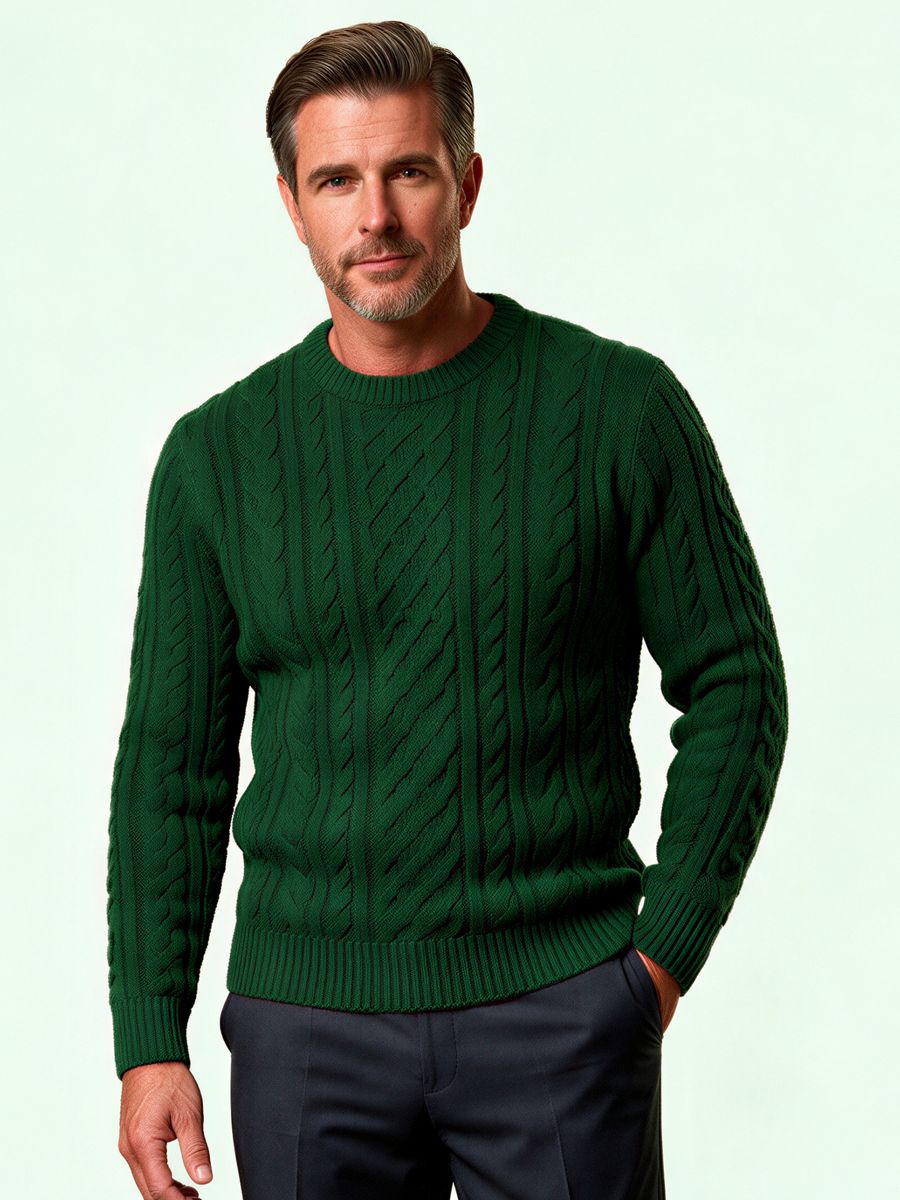
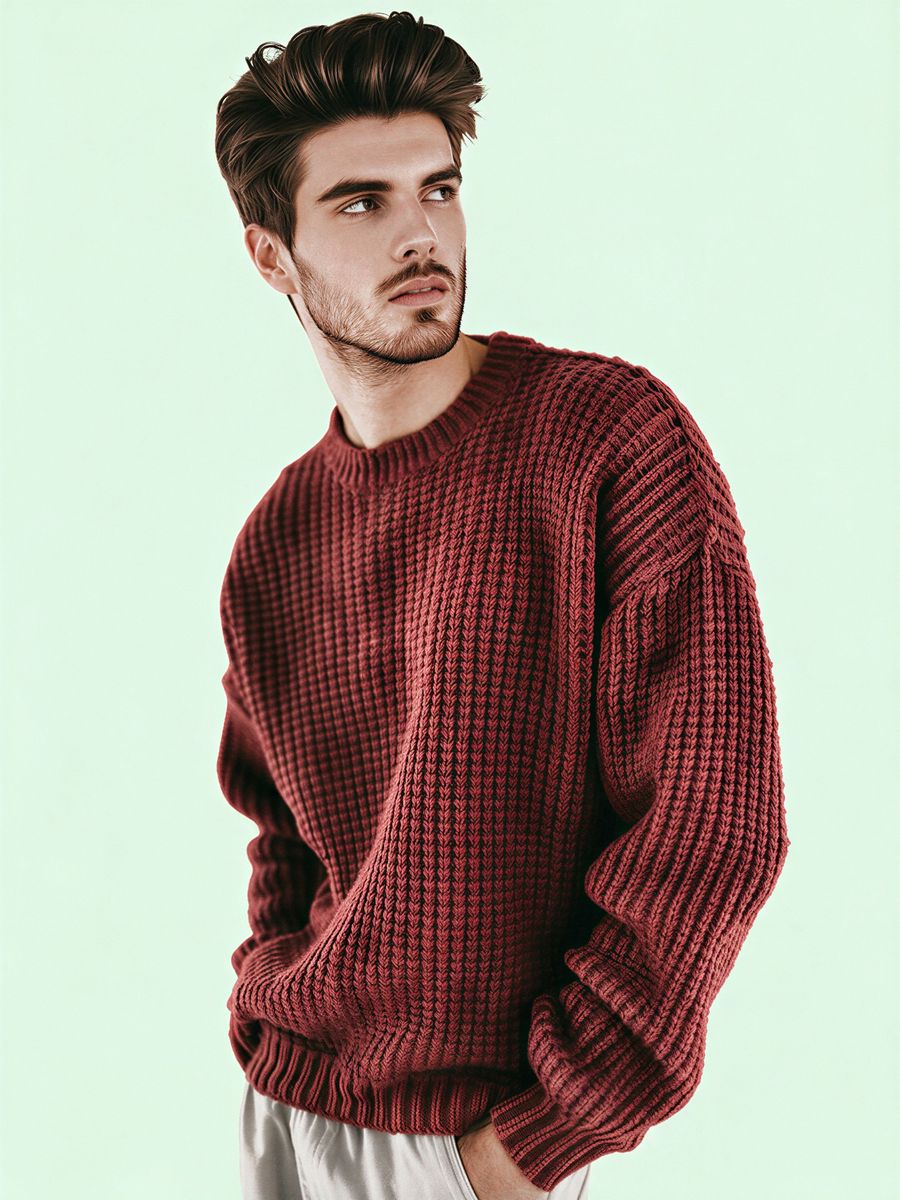
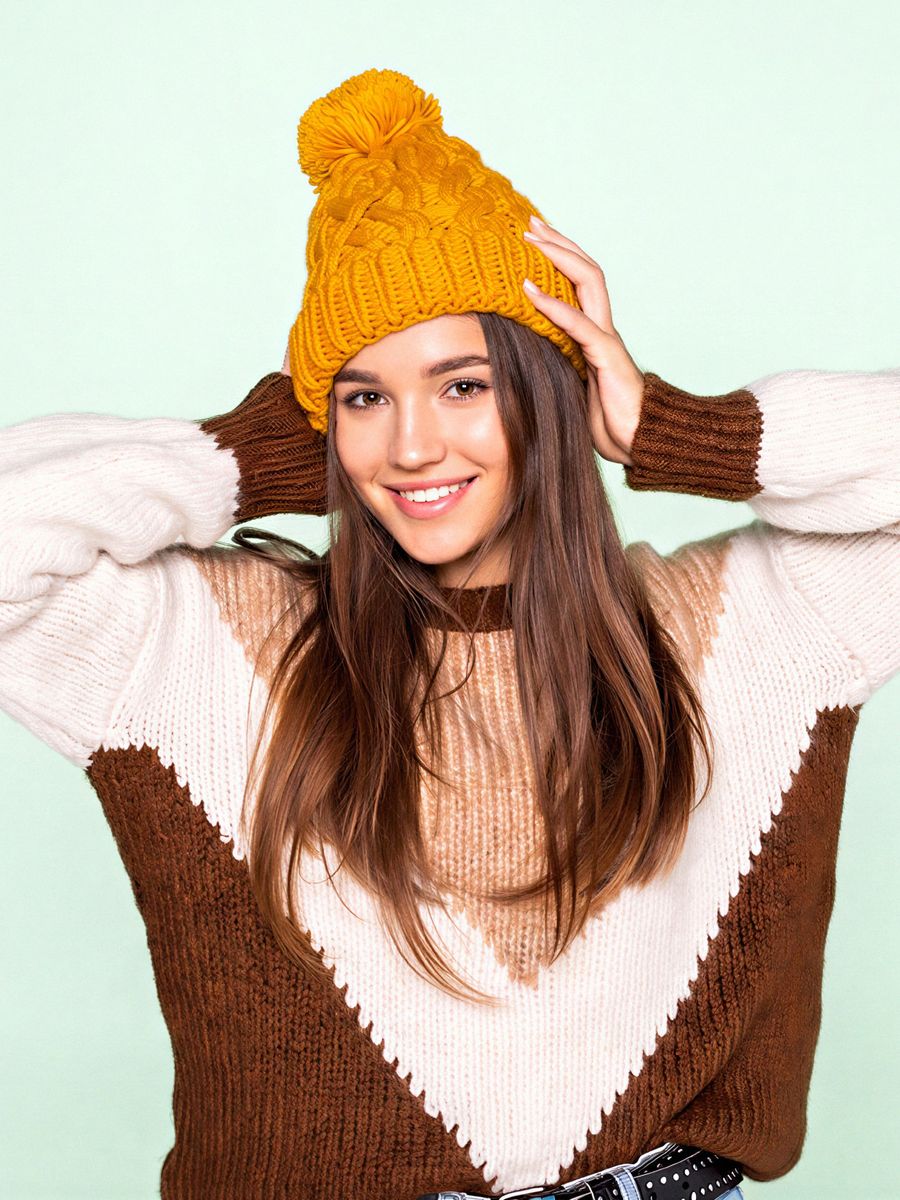
Cable, waffle and colour-block sweaters from our production: classic vintage looks in new garments.
Classic patterns
Seven vintage sweater styles to know.
These styles appear again and again in vintage shops and in brands’ autumn and winter ranges. The last column shows how each one is usually made in production today.
| Style | Origin and look | How it is made today |
|---|---|---|
| Aran (cable knit) | Fishermen’s sweaters from the Aran Islands off the west coast of Ireland: raised cables, diamonds and honeycomb, usually in thick cream wool | Cable and textured stitches on a coarse gauge |
| Fair Isle | From Fair Isle in Scotland’s Shetland Islands: small repeating motifs in several soft colours, with two colours in each row | Jacquard: double jacquard for next-to-skin sweaters, float jacquard for heavier outer layers |
| Guernsey (gansey) | Named after the Channel Island of Guernsey and made for seamen: tightly knitted wool, a dense plain body and knit-and-purl patterns on the chest | Dense plain knit with textured panels; firm yarn for a hard-wearing hand-feel |
| Argyle | Diamonds based on the tartan of Clan Campbell of Argyll in western Scotland; preppy and golf style, often V-neck pullovers and cardigans | Intarsia, so each diamond has its own colour and the inside stays clean |
| Varsity (letterman) | American school and college sports sweaters with a large letter and contrast stripes at the cuffs or hem | Contrast rib stripes knitted in; the letter is usually a chenille patch sewn on afterwards |
| Cardigan | Button-front cardigans; 1960s and 1970s pieces often have wooden or yarn-covered buttons | Choose buttons early, because special trims affect both the look and the lead time |
| Ski sweater | Nordic snowflakes, stars, reindeer and bold yoke patterns; brighter colours in 1980s versions | Jacquard on a chunky gauge, with the colour count per row planned before sampling |
Decade by decade
How vintage sweater styles changed.
| Decade | Look |
|---|---|
| 1940s | Wartime practicality: simple patterns, careful use of yarn, plain colours and fine stripes |
| 1950s | Preppy style takes off: V-necks, argyle and short, fitted shapes |
| 1960s | Geometric zigzags, large motifs and pointelle (lace-like openwork) in cheerful colours |
| 1970s | Bohemian style: fluffy mohair and earthy colours |
| 1980s | Oversized shapes, colour blocking, ski jacquards and bright acrylics |
| 1990s | Grunge: loose, worn-in shapes and simple solid colours |
Why buyers want it
Why vintage sweaters are popular.
- One of a kind. Every genuine piece has its own fading and wear, so customers rarely see the same sweater on someone else.
- Sustainable. Buying second-hand keeps garments in use for longer and avoids new production.
- Texture. Older machines and yarns created surfaces that are hard to copy exactly in modern bulk production.
- Easy to style. A vintage sweater works layered or on its own, and fits American, Japanese, French and workwear looks.
Buying genuine vintage
How to check a vintage sweater.
- Moth holes: wool and other animal fibres are most at risk; hold the sweater up to the light
- Stretched rib: loose collars, cuffs and hems are hard to repair
- Damage: holes, stains and seams coming apart
- Woolmark label: the logo was created in 1964, so a sweater with it was made in 1964 or later
- Care label: in the US, care labels became a requirement after the FTC’s Care Labeling Rule of 1971; a missing label can point to an older piece, or simply to a label that was cut out
- Fibre label: “Orlon” on the label points to the acrylic era of the 1950s to the 1980s
- Measurements: chest, length and sleeve, not the size on the label
Keep authentic vintage and retro reproductions apart in your range. They have different prices, different selling points and different customers.
For brands
Developing a vintage-style sweater collection.
Most brands we work with are not selling second-hand clothes. They want new sweaters with a vintage look, consistent sizes and repeatable quality. This is how we approach a vintage-style development.
Reference
Send the vintage piece or clear photos with measurements. Our design team reads the gauge, stitches and construction from it.
Yarn
Lambswool and wool blends for classic knits, mohair or brushed yarns for a soft halo, acrylic blends for a bright 1980s look, and certified recycled yarns if you need them.
Fit
The boxy, cropped or dropped-shoulder shape becomes a graded size chart with modern sizes.
Colour
Lab dips on the actual yarn, so mustard, brick and moss look right in bulk, not only on screen.
Sample
A jacquard swatch 2–3 days after artwork for Fair Isle or ski patterns, then the sample; plain knits take 3–5 days.
Our MOQ is 300 pcs per style with at least 50 pcs per colour; for jacquard such as Fair Isle we recommend 80–100 pcs per colour. Traditional patterns such as Aran cables and Fair Isle motifs are free to use, but another brand’s logo or recognizable design is not. Send references as inspiration and we develop your own version.
See our vintage-style sweater samples: argyle, Fair Isle, cable, stripes and more →
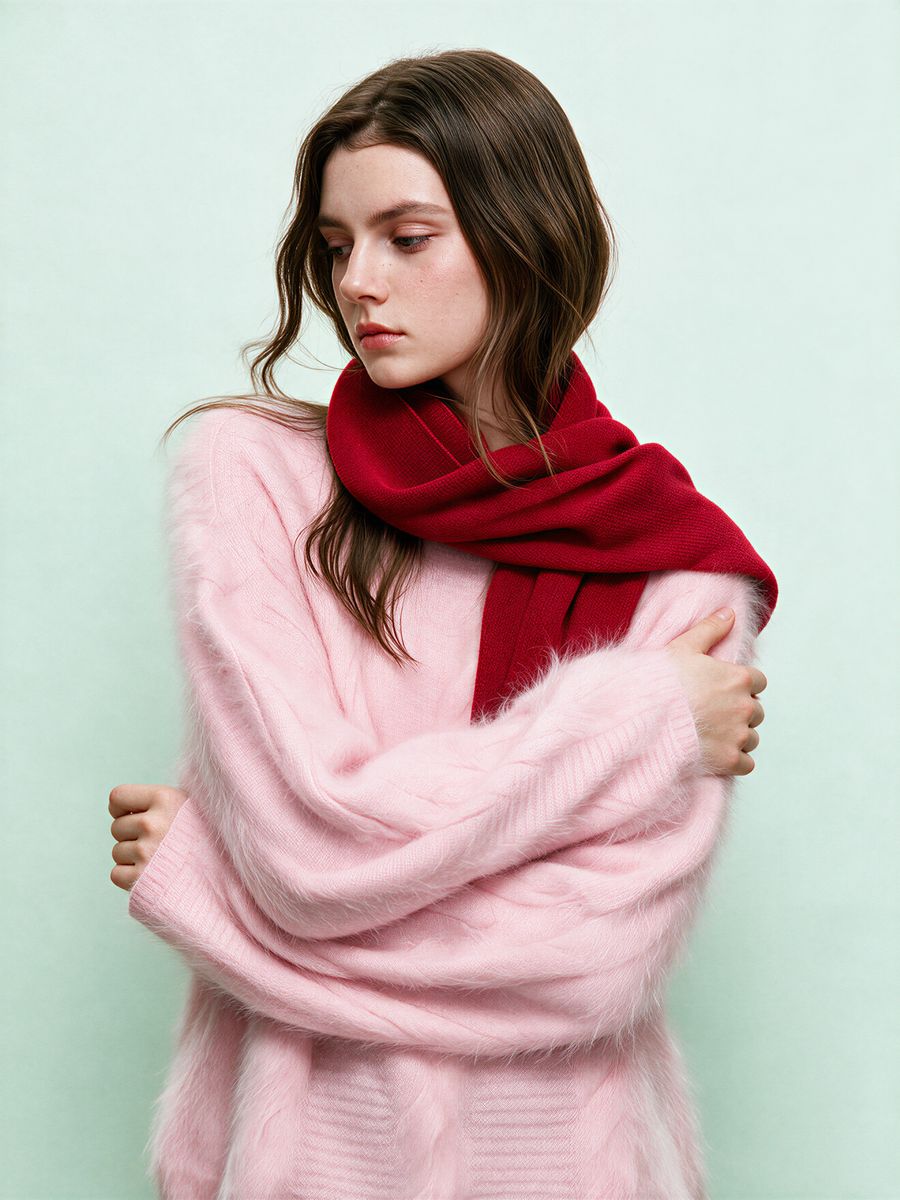
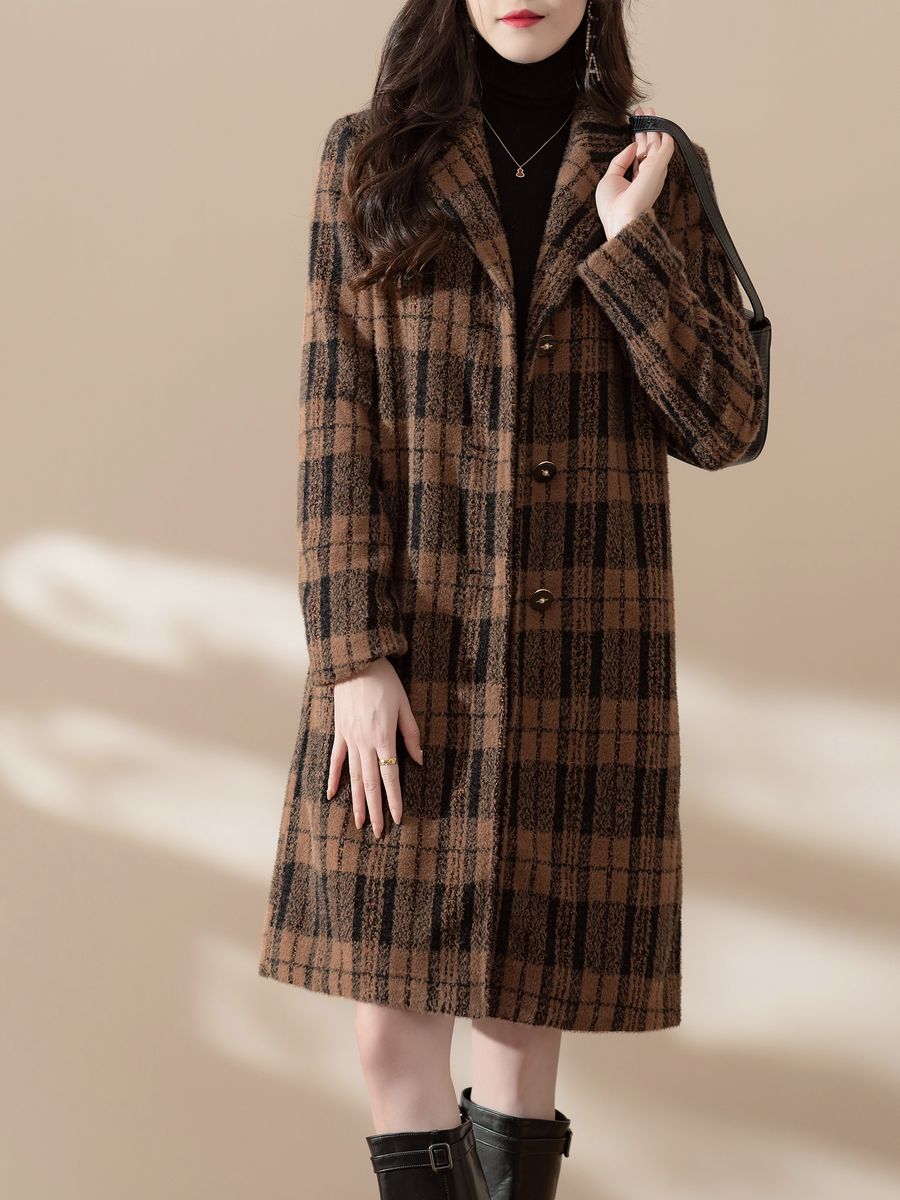
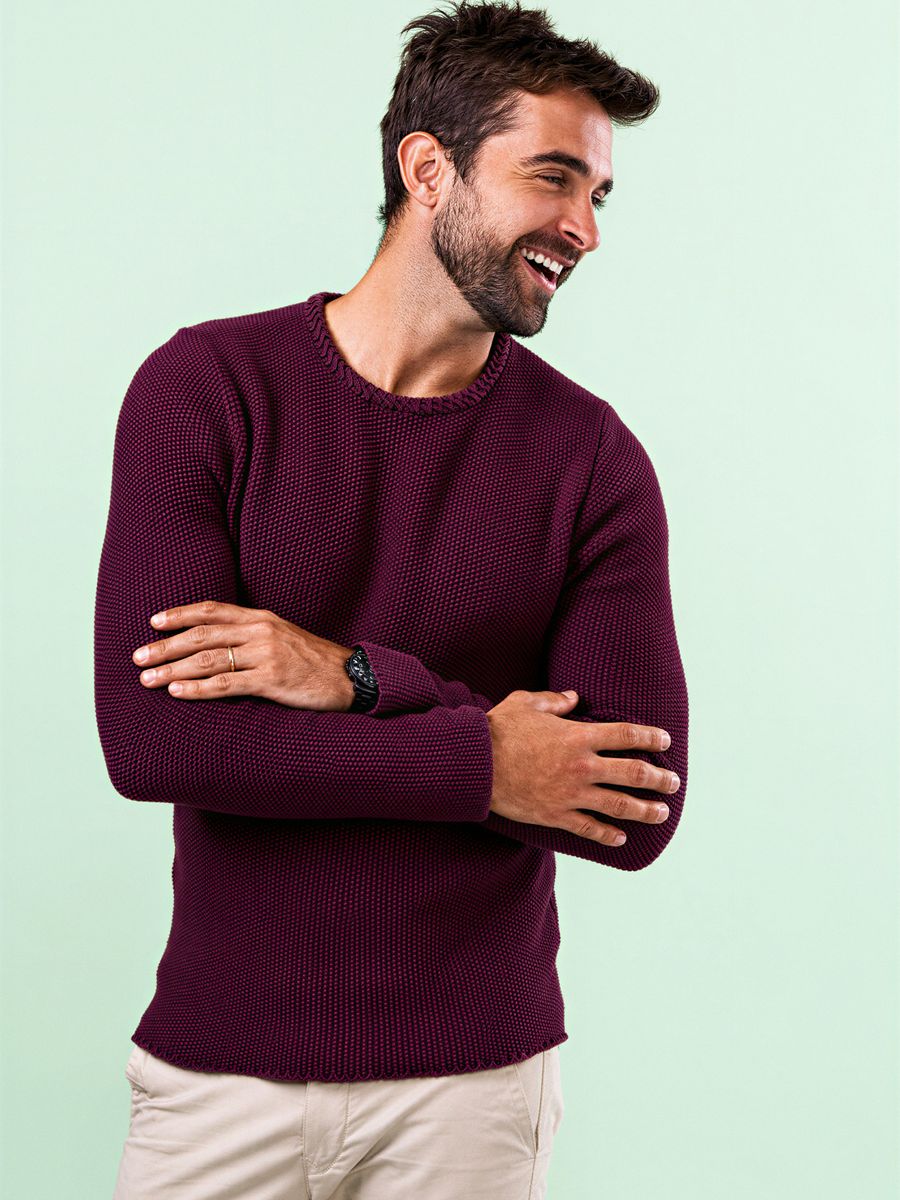
Brushed yarns, earthy checks and deep reds give new knitwear a vintage feel.
Checklist
Vintage-style sweater brief.
Copy this list into your tech pack or send it with your inquiry.
- The reference piece or photos, with measurements
- Which era, and which elements to keep: fit, pattern, colour or texture
- Yarn and hand-feel, including any certified yarn you need
- Size chart and target fit
- Colours as Pantone references or yarn colour cards
- Construction: cable, jacquard, intarsia or plain knit
- Quantity per style and per colour, target price and delivery date
See our jacquard knitwear capabilities →
Yarns we work with →
How sampling works →
Sources
Start a project